Raw Material Effects
Unlocking the Potential of Cereals and Pulses
The properties of fermented foods are shaped long before fermentation begins. The composition, structure and processing history of cereals and pulses strongly influence microbial activity, fermentation performance and the nutritional quality of the final product. HealthFerm has generated new knowledge on how raw materials such as oats, wheat and faba beans respond to fermentation, providing a scientific basis for designing healthier and more sustainable plant-based foods.
One important focus has been understanding the impact of raw material processing. HealthFerm researchers demonstrated that heat treatment (kilning) substantially alters the fermentability of oat flour by modifying enzyme activity and the extractability of proteins, dietary fibres and other key constituents. These findings help explain why seemingly similar oat ingredients can behave very differently during fermentation and provide guidance for selecting appropriate raw materials for different food applications.
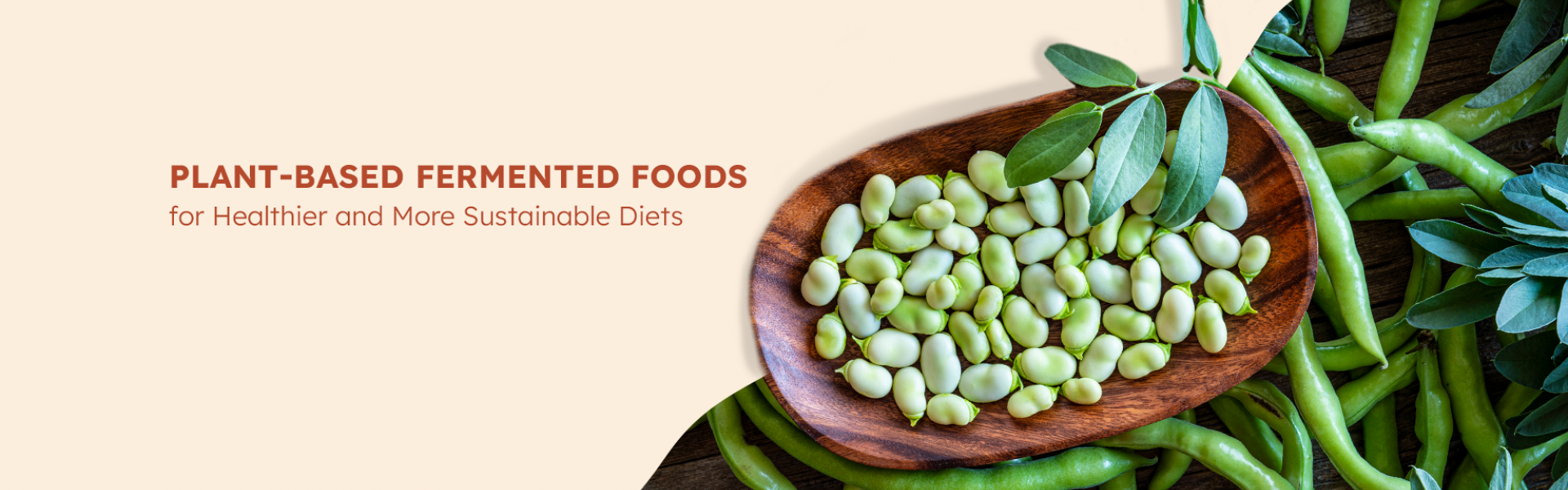
The project also investigated the characteristics of locally produced European protein crops. Comprehensive studies on faba bean and oat highlighted their considerable potential as sustainable ingredients for fermented foods while identifying key challenges, including flavour development, antinutritional compounds and process optimisation. Complementary work further demonstrated how soaking, heat treatment and fermentation modify the nutritional composition, microstructure and digestibility of whole grains and pulses before they are transformed into foods such as sourdough breads, yoghurt alternatives and tempeh-like products.
Together, these studies demonstrate that successful fermentation depends on understanding the interaction between raw materials, processing conditions and microbial activity. Rather than treating fermentation as a one-size-fits-all process, HealthFerm shows that tailoring fermentation strategies to the specific characteristics of each crop can improve nutritional quality, functionality, flavour and sustainability.
This knowledge provides an important foundation for developing next-generation fermented plant-based foods based on European cereals and pulses, supporting both healthier diets and more resilient food systems.