Analytical Methods
A Shared Toolbox for Fermented Food Research
Understanding how fermentation changes food requires reliable and harmonised analytical methods. One of HealthFerm's major scientific achievements is the development of a comprehensive analytical toolbox that enables researchers to characterise fermented cereal- and pulse-based raw materials in a consistent, reproducible and comparable way. By bringing together expertise from leading European laboratories, the project has established a common methodological foundation for future research on fermented foods.
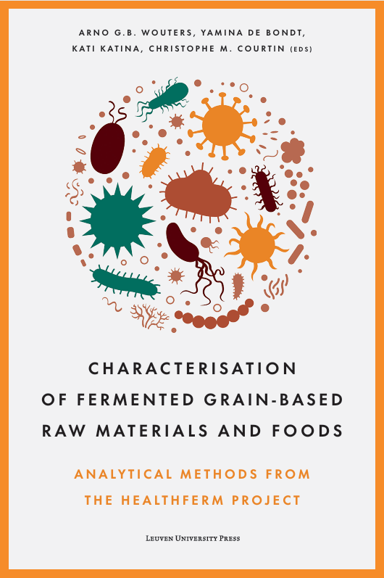
The resulting open-access reference book, Characterisation of Fermented Grain-based Raw Materials and Foods: Analytical Methods from the HealthFerm Project, provides detailed protocols covering the complete analytical workflow, from sample preparation and extraction to advanced chemical and biochemical analyses. The methods allow researchers to quantify fermentation-induced changes in proteins, carbohydrates, dietary fibres, vitamins, fermentation metabolites, flavour compounds and antinutritional factors, providing a comprehensive understanding of how fermentation influences food quality, nutritional value and potential health benefits.
The analytical toolbox was specifically developed for plant-based fermented foods, addressing an important gap in food science. While many analytical techniques already existed, they often required substantial adaptation to account for the complexity of fermented grain- and pulse-based matrices. HealthFerm harmonised and optimised these methods for key project raw materials, including wheat, oats, faba bean and yellow pea, creating protocols that can also serve as a basis for analysing many other fermented foods.
Beyond supporting the project's own research, these methods provide a lasting resource for the wider scientific community. By publishing the protocols as an open-access volume, HealthFerm enables researchers, food technologists and industry professionals worldwide to adopt standardised approaches for studying fermentation processes, accelerating innovation and improving the comparability of research across laboratories.
This analytical toolbox will continue to support advances in fermentation science long after the project has ended, helping researchers develop healthier, more sustainable and scientifically validated fermented foods for future food systems.