From sourdough to gut health: HealthFerm research highlights featured in ISAPP podcast
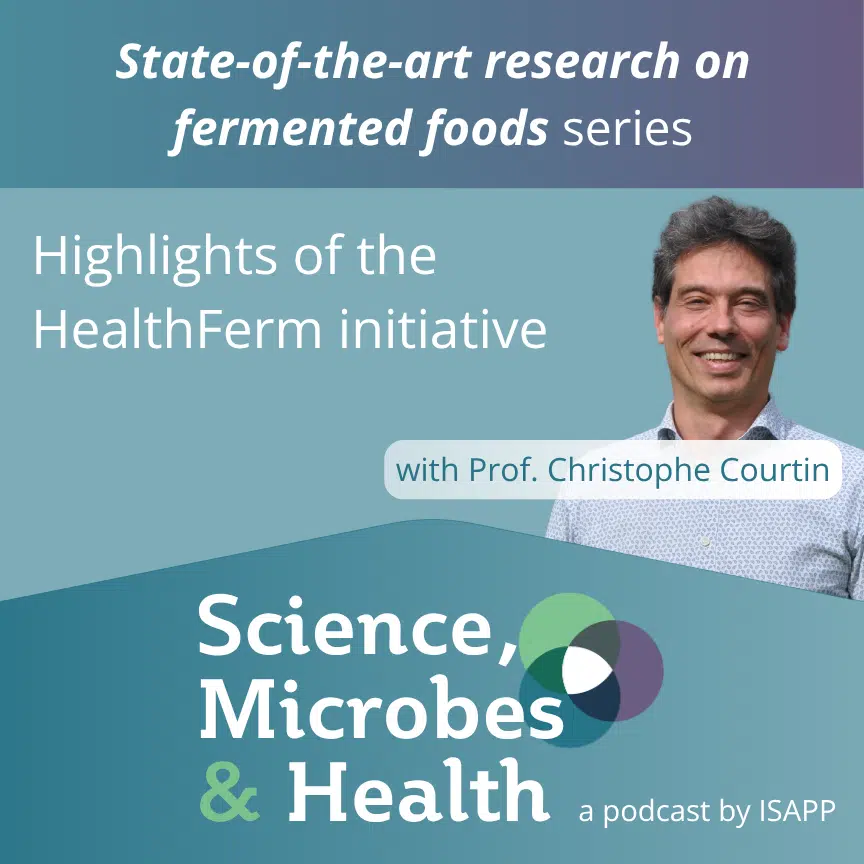
How can fermentation make plant-based foods healthier, more appealing and more sustainable? In a recent episode of the Science, Microbes & Health podcast by the International Scientific Association for Probiotics and Prebiotics (ISAPP), HealthFerm coordinator Prof. Christophe Courtin from KU Leuven shares insights into the project's scientific achievements and explores the future potential of food fermentation.
Published in September 2026, the podcast episode Highlights of the HealthFerm initiative takes listeners through some of the key findings of the European research project, which has been investigating the complex relationships between fermented plant-based foods, microorganisms, the human gut microbiome and health.
Exploring the microbial diversity of fermented foods
One of the highlights discussed is HealthFerm's citizen science initiative, which invited people across Europe to contribute samples of traditionally fermented foods for scientific analysis.
Researchers received more than 650 sourdough starter samples and approximately 200 samples of other fermented foods from home fermenters and small bakeries. By analysing their microbial composition, the team gained valuable insights into the diversity of microorganisms involved in food fermentation, even identifying potentially new microbial species that have yet to be formally named.
Understanding the health effects of fermentation
The podcast also explores HealthFerm's research into how fermented foods and their components interact with the human body.
Prof. Courtin discusses a clinical study investigating how the location at which short-chain fatty acids are released in the intestine influences the body's hormonal responses. The findings revealed differences in the release of hormones involved in metabolic regulation, depending on whether these compounds were delivered to the small intestine or the colon.
Another research highlight focuses on oats and how fermentation can modify their dietary fibre structure. The findings provide insights into how fermentation processes could be used to improve the nutritional and health-related properties of plant-based foods.
Looking ahead: Unlocking the potential of fermentation
Beyond the project's findings, Prof. Courtin reflects on opportunities for future research and innovation. These include using fermentation to enrich plant-based foods with essential nutrients, such as vitamin B12, and tailoring dietary fibre structures to achieve specific health benefits.
These perspectives underline the potential of fermentation as a tool for developing the next generation of nutritious, sustainable and appealing plant-based foods.
Interested in learning more about HealthFerm's scientific discoveries and the future of food fermentation?